Built Better: A Grantmaker's Guide to Intentional Transformation with M&T Bank


Speakers
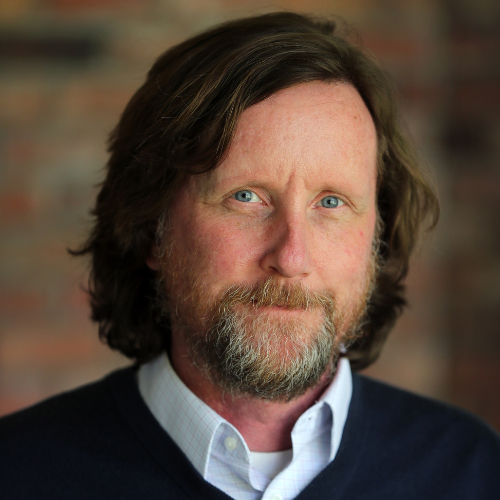
Joe Cassidy
.png)
Carly Meek
Why attend
Why watch
The bar for meaningful grantmaking has never been higher. Community needs are growing, regulations are becoming increasingly complex, and funders are under real pressure to prove their dollars are creating lasting change. For many foundations and grantmakers, the question isn't whether to evolve — it's knowing where to start.
The good news? Meaningful transformation doesn't require a blank slate or a perfect plan. It requires honesty, a clear starting point, and the willingness to move.
Join this conversation with Joe Cassidy, Senior Vice President of Foundation Operations at M&T Bank — a team that has navigated that exact challenge inside one of the most regulated industries. What started as a "wild west" approach to grantmaking has gradually and intentionally evolved into a focused model built on real community needs, honest reflection, and deliberate change. M&T is still in the midst of transformation — from cracking true impact measurement to reducing nonprofit burden — so the questions they're working through are likely the same ones you're facing right now. Whether you're just beginning to rethink your approach or already mid-transformation, there's something here to take back to your own work.
Watch now to learn:
- Listen before you lead — even when you think you already know the answers. M&T Bank's transformation didn't start with a strategy deck. It started with a listening project that engaged over 100 stakeholders — including regional committee members, community partners, and employees across the bank. The result wasn't just good ideas — it was the organizational buy-in that made those ideas possible to actually implement.
- Sequence matters — staffing, governance, programs, then technology. You can't build a better grantmaking program without the right people in place first. M&T prioritized hiring dedicated leadership and program officers before touching anything else. Governance came next — bylaws, board structure, committee charters — then programs, then technology. Skipping ahead might feel faster; it isn't.
- Make friends with risk — it might be your most underestimated ally. When M&T needed to push through meaningful operational changes, their risk team became one of their strongest partners — helping make the case to senior leadership by reframing change not as disruption, but as risk mitigation. The lesson: learning to speak the language of risk isn't a compliance exercise. It's one of the most effective tools you have for creating momentum inside a complex institution.
- Narrow your focus to tell a better story. M&T moved from funding almost anything across 33 regions — what stakeholders called the "peanut butter approach" — to a focused set of pillars built on community needs data and internal reflection. Joe's insight: you can't tell a compelling impact story when your giving is spread too thin. Defining what you fund — and what you don't — is what makes real impact measurement possible.
- There is no finish line — and that's the point. Joe's closing message was perhaps his most important: transformation isn't a project with an end date. Every area of focus will be revisited. Every process will be iterated. The goal isn't to get somewhere — it's to keep getting better. As Joe puts it: "Do good better." Starting the work means you're already achieving the goal.