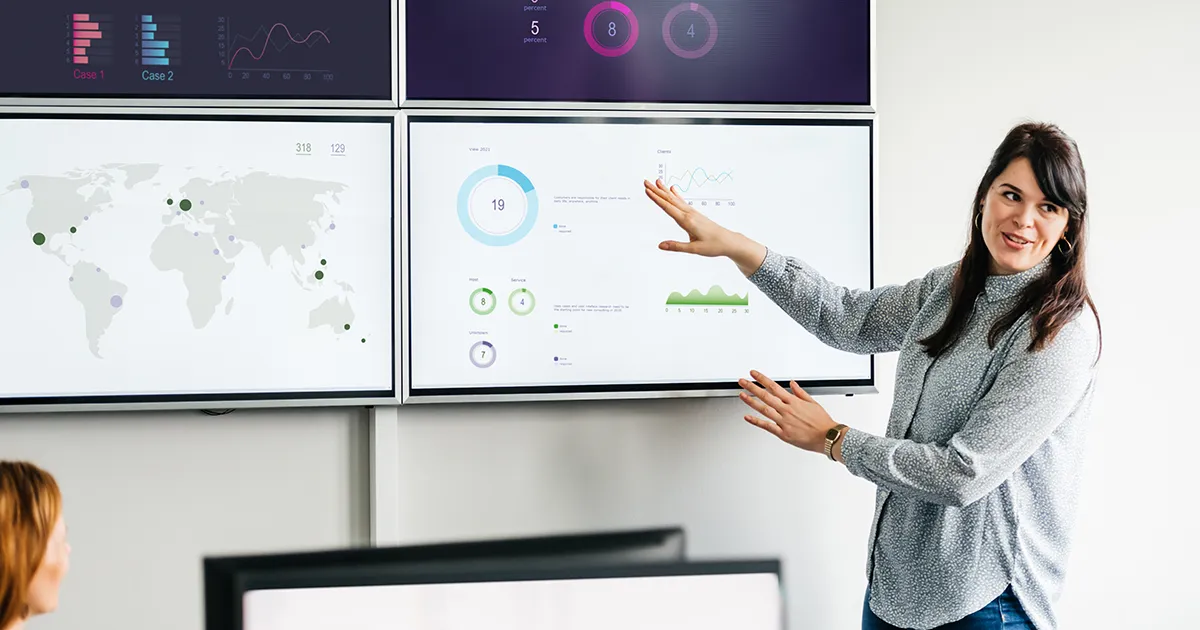
Corporate social responsibility (CSR) leaders are operating in a climate of uncertainty and transition while at the same time their work is becoming demonstrably strategic and increasingly aligned with overall business objectives. The pressure is on not just to do good, but to prove it – a challenge that requires moving beyond anecdotal evidence to quantified, measurable impact.
Operationalizing impact by streamlining processes and leveraging data for strategic alignment, is no longer optional; it is critical to securing and sustaining impact program stability, executive buy-in and establishing resilience against organizational change.
Why purpose is a business imperative
Historically, purpose programs were often viewed as a project or a discretionary expense, relying heavily on goodwill and limited resources. This decentralized, manual approach created inherent vulnerability and inhibited growth. Today, corporate purpose has shifted from broad statements to strategic, outcomes-oriented business multiplier.
Companies that align purpose with business goals see measurable benefits such as higher employee retention, stronger customer loyalty, greater innovation and improved performance outcomes.
Driving operational efficiency and productivity
A major component of enterprise value is efficiency, especially when managing complex global programs across diverse regions and regulatory environments. When organizations streamline their processes with purpose-built technology, the result is not only reduced administrative burdens, but a direct increase to overall productivity and employee engagement.
This investment in employee purpose drives measurable returns. For instance, in the United Kingdom, research from the Royal Voluntary Service shows that volunteering increases productivity by £4,551 per employee and adds at least £4.6 billion per year to the economy. Furthermore, a study by Pro Bono Economics indicates that widespread access to workplace volunteering could save up to 2.5 million days of sick leave in the U.K.
Since data-driven CSR programs effectively engage employees, and data from Benevity Impact Labs similarly shows that companies empowering their people to participate in purpose programs see 52% lower turnover among newer employees. Read on to learn how one organization lives and breathes by empowering their people through purpose.
Blue Shield of California

Blue Shield of California is an American insurance healthcare service provider. And they know employee engagement isn't just a metric, it's a movement. Blue Shield of California uses Benevity to elevate community impact while reducing administrative lift. Jane Nichol, Social Impact Manager, shares how the Benevity Enterprise Impact Platform helped with employee engagement: “Employees really value community engagement. We hear wonderful feedback from them and we see it reflected in our employee engagement scores.”
Maximize productivity with data-driven CSR technology
The complexity of managing global giving, volunteering and grantmaking manually, not to mention globally presents an equally complex requirement for resources. These programs can involve cross-border disbursements, localized compliance, multiple currencies and diverse language requirements. Without a unified platform, the administrative burden on CSR managers quickly escalates, forcing them to spend less time on strategic design and more time on execution.
Leading purpose-driven enterprises rely on strategic planning and integrated technology to help automate and transform their operations, achieve significant efficiencies and improve reporting. Below are global businesses leveraging CSR software to maximize productivity:
Onsemi

Global semiconductor manufacturing company, Onsemi, successfully transformed its purpose program from siloed and manual processes to an integrated, data-driven and business-aligned model. The elimination of redundant workflows allowed a lean two-person team to achieve a 33% improvement in productivity. This significant gain highlights the force-multiplying effect of purpose-built platforms, allowing small teams to manage programs at an enterprise scale.
Motorola Solutions Foundation
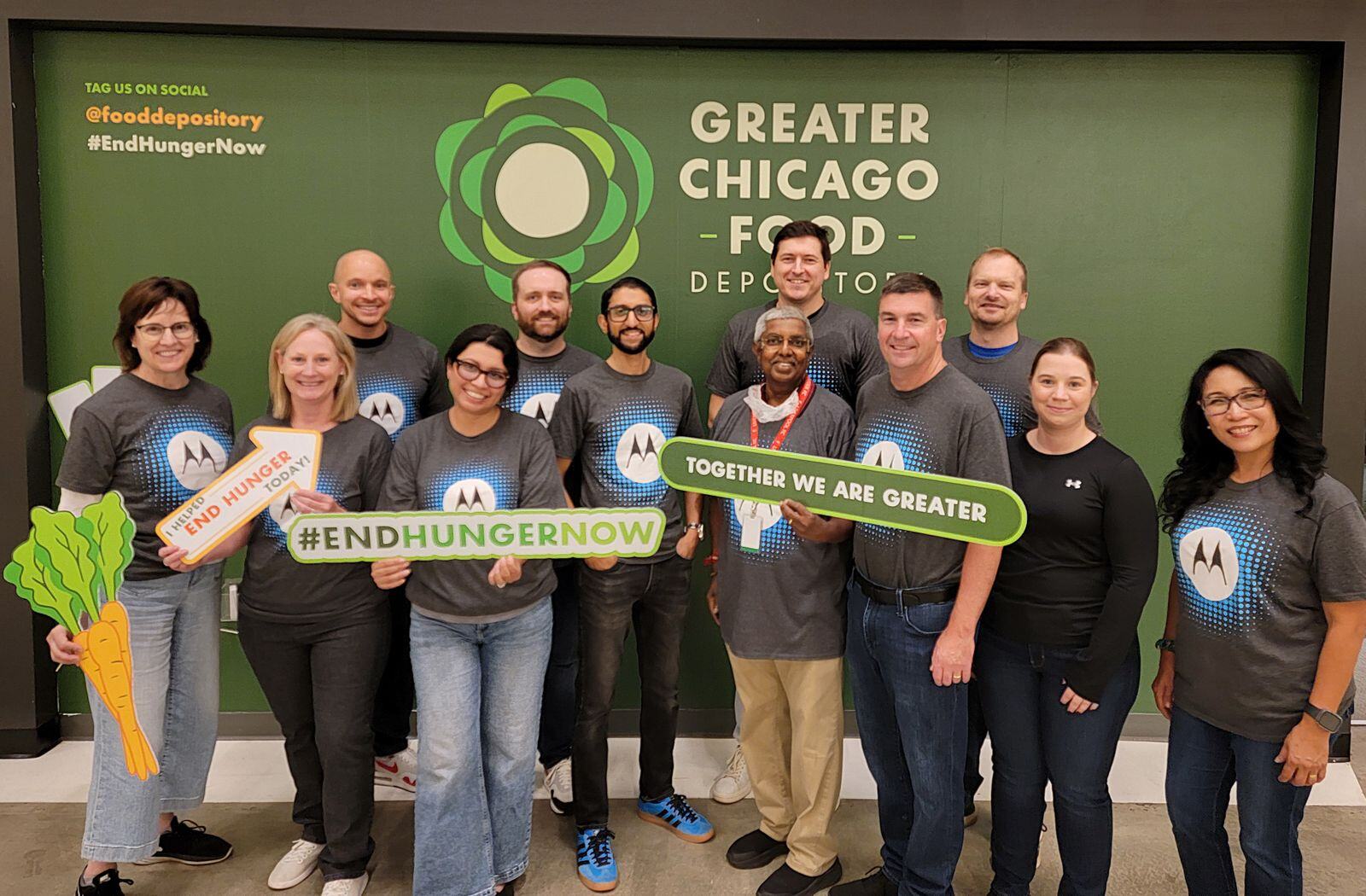
As the charitable and philanthropic arm of Motorola Solutions, the Motorola Solutions Foundation partners with organizations around the world to create safer cities and thriving communities. By automating custom reports and digitizing their application review process, they improved grant review and selection efficiency by 43% and saved dozens of hours in monthly reporting.
Securing buy-in through strategic alignment and measurement
In today’s dynamic business environment, visibility and consistency are the insurance policy of modern CSR. Data helps make purpose programs more resilient to organizational changes — such as shifts in leadership, reorganizations or economic downturns — and demonstrates long term value to the business. This strategic alignment and evidence of measurable impact are key to maintaining long-term value and budget stability, often protecting programs from being viewed as expendable during periods of budget reduction.
When a program's value is clearly tied to metrics like talent retention, productivity or brand equity, it becomes indispensable. Below are examples of how industry-leading enterprises secured executive support through strategic alignment and reporting:
Sage Foundation
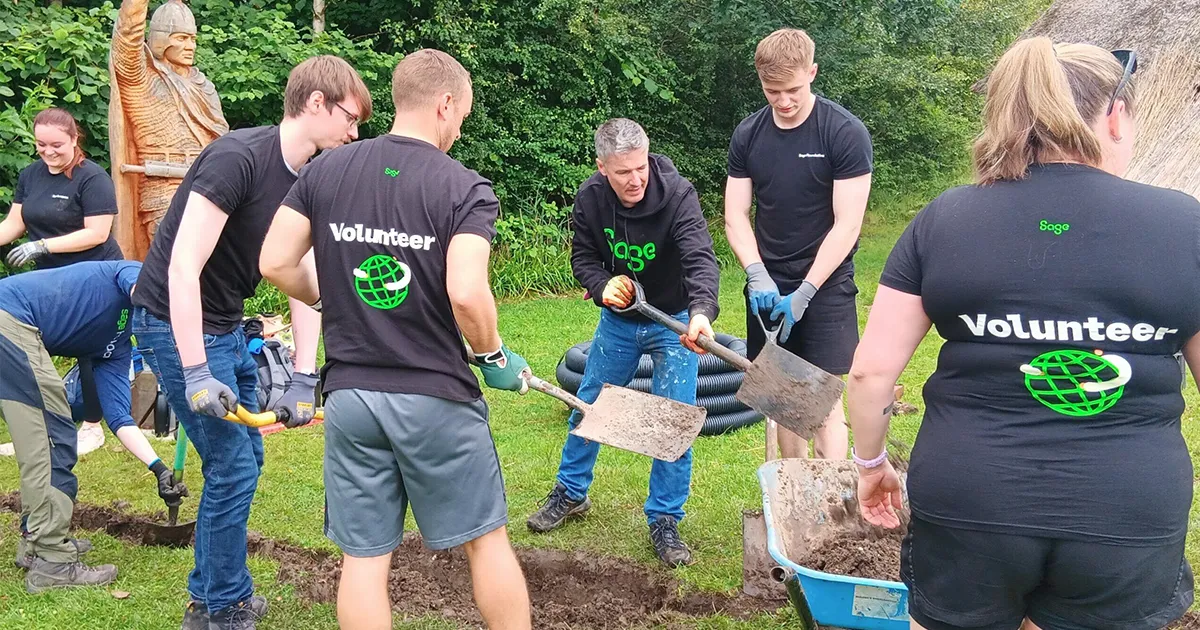
Sage is a global technology leader providing cloud solutions to help businesses manage their finances, operations and people. Through their charitable arm, Sage Foundation, they knew decentralized, paper-based grantmaking lacked control and strategic focus. They adopted grants management software to bring crucial structure and transparency, enabling them to automate impact measurement. This strategic approach led to enhanced employee engagement, with employees finding more ways to contribute beyond monetary donations, resulting in an almost 60% engagement rate. The commitment to long-term relationships with grantees also fostered innovation in community support.
Cadence

For the American multinational technology company, Cadence, tying reporting to business outcomes is routine. They require employees to submit a write-up about their experience following a grant activity, which is then repurposed for social media posts, blog posts and their ESG report. This provides documented, multi-functional value that transcends the CSR function alone and consistently exposes impact program success stories to key stakeholders.
The ability to provide consistent, reliable, instant data is essential for managing stakeholder relationships and influencing business policy and decisions. The Benevity Reporting Suite is essential for demonstrating value to leadership. Its dashboards provide a clear snapshot of engagement, goal tracking and year-over-year comparisons. This capability allows leaders to proactively showcase return on investment (ROI), manage narratives around program growth and impact and respond quickly to executive requests with authoritative metrics, cementing the program's strategic role.
The enduring value of data-driven CSR
The shift to a data-driven CSR empowers leaders to speak the language of the C-suite: metrics, ROI and risk mitigation. By simplifying complexity, driving efficiency and providing measurable outcomes, social impact teams transition from relying on flat budgets to being viewed as essential strategic partners for the entire enterprise. This transformation shifts the organizational perspective on CSR from a cost center to a vital value generator that influences brand reputation, talent acquisition and operational productivity.
Ultimately, the measurable, data-driven CSR management of social impact provides an insurance policy against reputational damage and organizational volatility. When CSR is embedded into the core strategy, supported by systems that measure and report on its influence, the program secures its future, proving that "doing good" is inherently linked to "doing well".
An enterprise impact software solution becomes the central nervous system for organizational purpose, ensuring every dollar and every hour volunteered is tracked, measured and tied directly back to strategic business success.
Maximize purpose at work with the Benevity Enterprise Impact Platform.