How to Build Sustainable Volunteer Programs with a Trust-Based Approach


Speakers
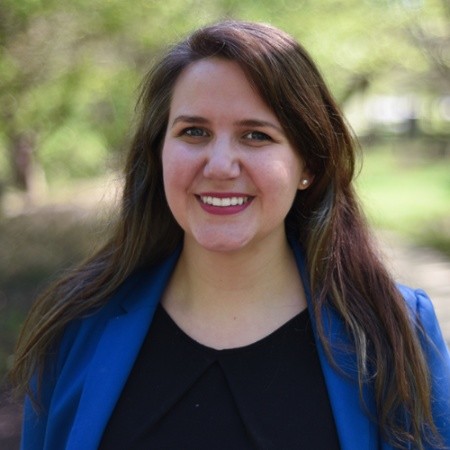
Jessie Heckman

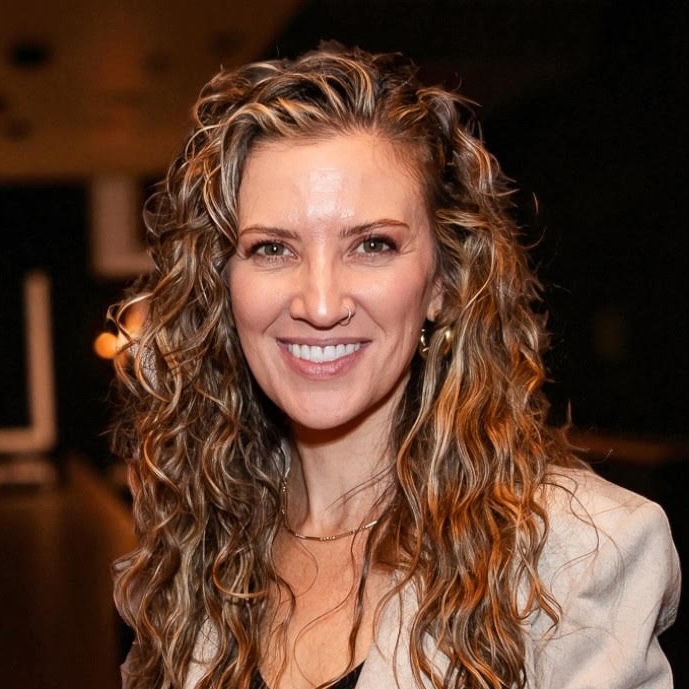
Angela Parker


Tanya Bilotta

Why attend
Why watch
The most effective volunteer programs do more than check a box — they build trust, deepen connections and create deep value for both nonprofits and employees. A trust-based approach makes that possible — helping companies build programs rooted in meaningful employee experiences, long-term partnerships and lasting impact.
Join Jessie Heckman, Manager of Global Employee Volunteer & Giving at Vanguard, and Angela Parker, CEO & Co-founder of Realized Worth, for a conversation on what it takes to design volunteer programs that truly work — for nonprofits, employees and companies alike.
Drawing on 15+ years of experience helping global companies activate purpose through volunteering, Angela will share how trust-based principles build authentic partnerships and deepen engagement. Jessie will bring those ideas to life through Vanguard’s story — showing how their programs empower employee choice, reduce nonprofit burden and create meaningful community impact. With 110,000 volunteer hours logged in 2024 and 74% of crew participating in community programs, Vanguard’s approach proves that programs built with nonprofits in mind can also energize employees and scale impact.
Watch now to learn:
- Trust turns transactional relationships into long-term partnerships. Trust-based volunteerism reframes the company–nonprofit relationship around transparency, mutual respect, and shared power. The result: less friction for nonprofits and more authentic, sustainable impact.
- Listening → alignment → better outcomes. Vanguard’s “listen, test, adjust” loop (e.g., reworking micro-volunteering flashcards after educator feedback—even down to the font) shows how co-creation ensures volunteer efforts meet real needs.
- Empower autonomy, keep consistency. Programs like VTO, Dollars for Doers, and always-on options deepen employee engagement, while consistent frameworks and nonprofit feedback keep support reliable and useful.
- Start small, then “surround sound”. You don’t need a big team to begin. Pilot simple, need-informed activities (e.g., micro-volunteering), then scale into integrated support—skills, in-kind, funding, and ongoing touchpoints (e.g., Vanguard’s Launch Zone, gardens, playground maintenance).
- Measure beyond hours; define the story you want to tell. Move past outputs to outcomes. Use a logic model/theory of change, align with HR data where possible, and track indicators (e.g., crew pride in community) to connect participation with culture, retention, and community value.